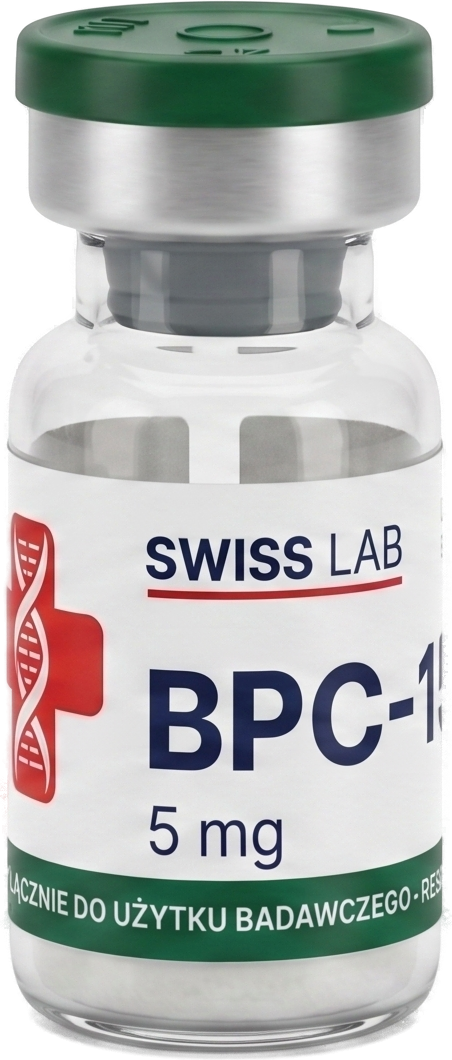
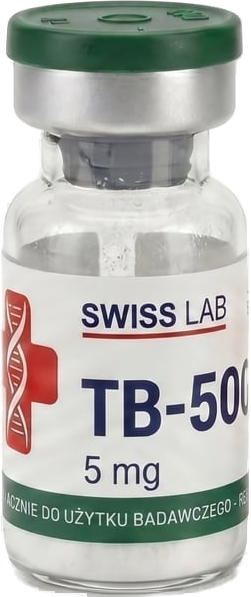
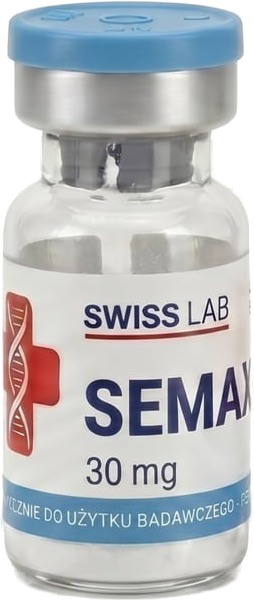
Reconstitution is the dissolving of a powdered peptide in a liquid before use in research. The powdered, dried form of a peptide is called a lyophilisate. Done correctly, reconstitution keeps the solution stable and the results reproducible.
What to prepare
- the vial of powdered peptide (lyophilisate)
- bacteriostatic water (BAC for short — water with an additive that inhibits bacterial growth), the most commonly used solvent
- a graduated syringe with a needle
How to do it
Introduce the liquid slowly, aiming the stream at the wall of the vial — not straight at the peptide powder. Do not shake the vial; swirl it gently until everything has dissolved.
How to work out the concentration
The concentration depends on the amount of peptide and the amount of liquid. For example: 10 mg of peptide in 5 ml of BAC water gives 2000 µg in every millilitre. To measure out 500 µg you need 0.25 ml of solution.
Use our peptide calculator to work out the values for your own application.
Storage
Keep the prepared solution refrigerated (2–8°C) and away from light.